How Blockchain Transforms Food Safety
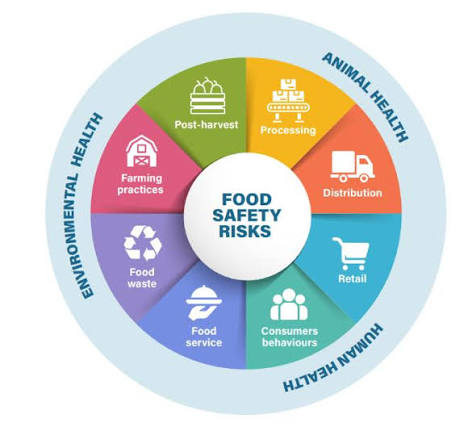
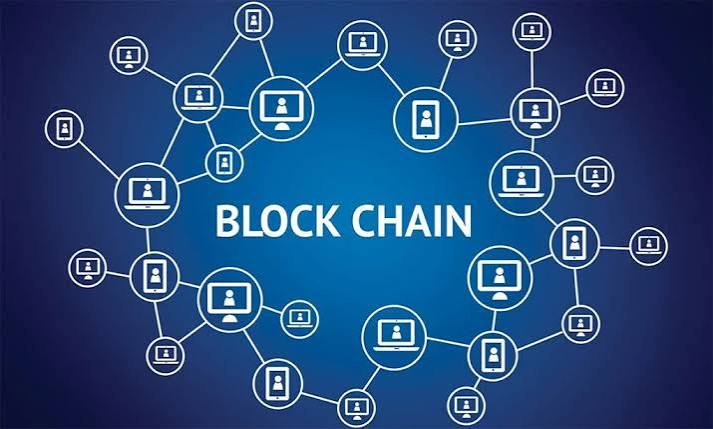
Blockchain technology acts as an unchangeable digital ledger that tracks food products through every single stage of the supply chain—from the farm to the consumer’s plate.
Key Capabilities and Benefits
- Instant Traceability: Standard food recalls can take days or weeks of manual paperwork. Blockchain reduces this tracking time to seconds, allowing contaminated products to be pulled from shelves instantly.
- Tamper-Proof Records: Once data (like harvest dates, batch numbers, or temperature logs) is uploaded, it cannot be altered or deleted, preventing fraud and counterfeiting.
- Granular Recalls: Companies can target the exact batch, farm, or shipment affected by a pathogen outbreak, preventing massive, unnecessary food waste.
- Increased Transparency: Consumers can scan a QR code on packaging to see the verified history and origin of their food, building brand trust.
Real-World Use Cases
🥬 Pathogen & Outbreak Control
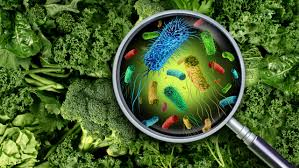
In major outbreaks (like E. coli in romaine lettuce), retail giants use blockchain to pinpoint the exact farm of origin. This allows them to leave safe lettuce on the shelves while removing only the contaminated batches.
🥩 Cold Chain Verification
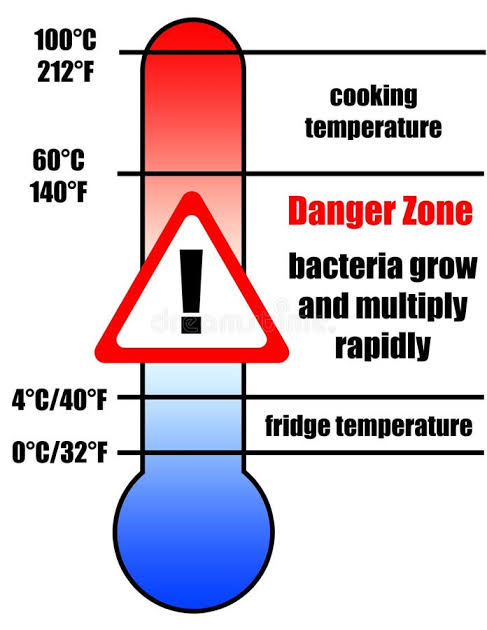
IoT sensors tracking meat or dairy temperatures during transit can upload data directly to a blockchain. If a truck's cooling system fails, the block permanently records the temperature spike, flagging the food as unsafe before it reaches the grocery store.
🫒 Authenticity and Fraud Prevention
High-value items like organic produce, honey, and extra virgin olive oil are prone to fraud. Blockchain ensures that a product labeled "organic" can be traced back to a certified organic farm.
Implementation Challenges
- The "Garbage In, Garbage Out" Problem: Blockchain ensures data cannot be changed, but it cannot prevent human error or fraudulent data from being entered in the first place.
- Supply Chain Fragmentation: Small farmers or suppliers may lack the tech infrastructure, funds, or digital literacy to log data into a blockchain system.
- Interoperability: Different companies often use different blockchain networks that do not easily communicate or share data with one another.
🏢 Major Initiatives in Action
- IBM Food Trust: One of the largest commercial networks, used by global retailers like Walmart and Carrefour to track millions of food products.
- FDA's New Era of Smarter Food Safety: The U.S. FDA heavily emphasizes tech-enabled traceability, pushing the food industry toward digital record-keeping.