Health & Safety in the Workplace: A Practical Guide for Safer Operations
In every industry, from manufacturing and construction to food and hospitality, health and safety play a critical role in ensuring smooth and efficient operations. A safe workplace is not just a legal requirement—it is a key driver of productivity, employee satisfaction, and business success. Organizations that prioritize health and safety create environments where employees feel protected, confident, and motivated to perform at their best.
Understanding Health & Safety
Health and safety refer to the systems, policies, and practices designed to prevent workplace injuries, illnesses, and accidents. It involves identifying potential hazards, assessing risks, and implementing effective control measures.
Rather than reacting to incidents, modern businesses adopt a proactive approach—preventing risks before they occur.
Common Workplace Hazards
Every workplace has its own set of risks. Some of the most common hazards include:
- Physical Hazards – Slips, trips, falls, machinery risks
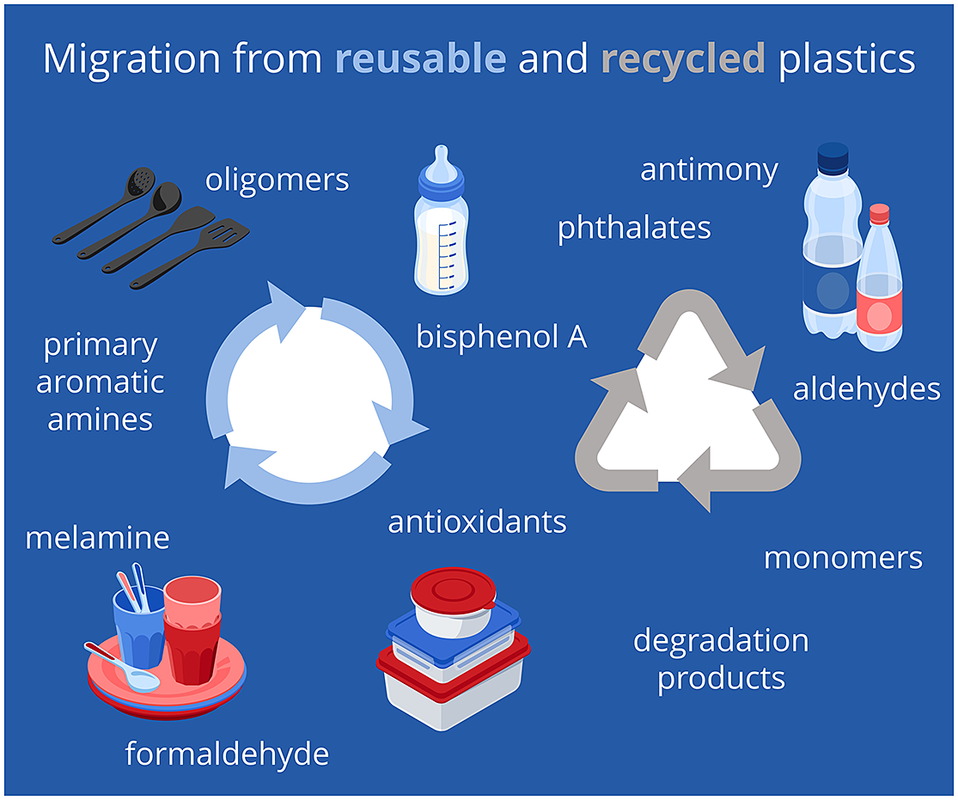
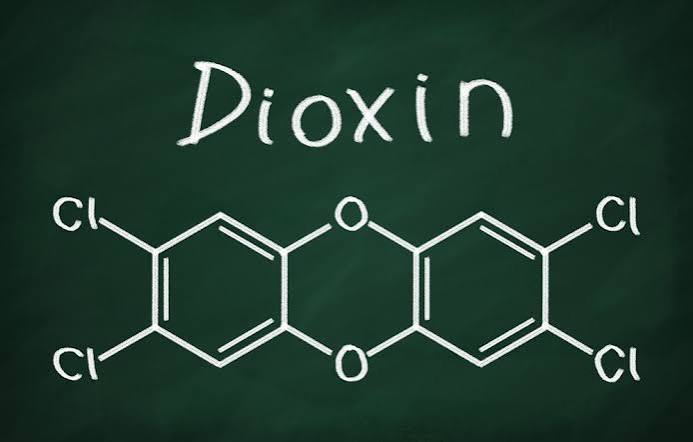
- Chemical Hazards – Exposure to harmful substances or fumes
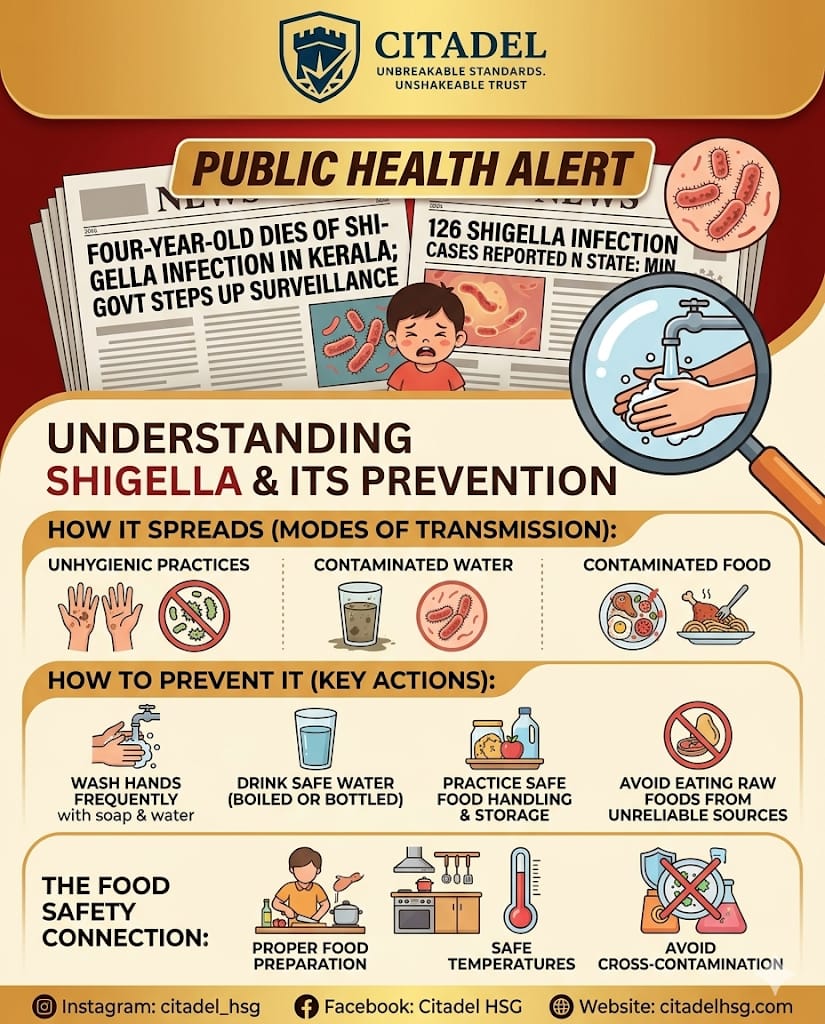
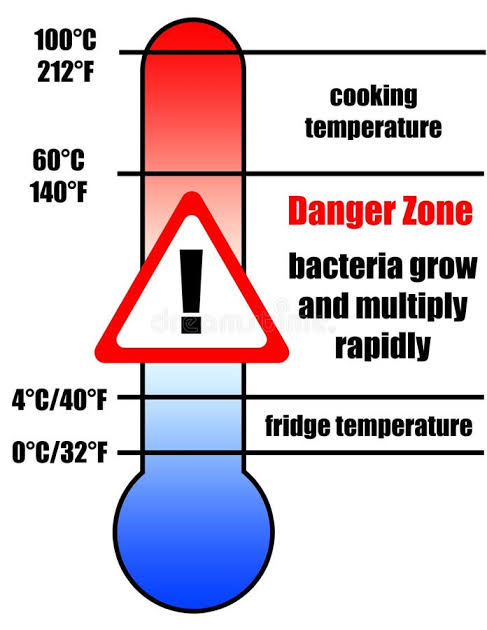
- Biological Hazards – Bacteria, viruses, and food contamination risks
- Ergonomic Hazards – Poor posture, repetitive strain injuries
- Psychosocial Hazards – Stress, fatigue, and mental health challenges
Identifying these hazards is the first step toward building a safer workplace.
Key Elements of an Effective Safety System
To maintain high standards of health and safety, organizations should focus on the following:
-
Risk Assessment : Regularly evaluate workplace activities to identify potential risks and implement preventive measures.
-
Safety Training : Employees must be trained to understand hazards, use equipment safely, and respond to emergencies.
-
Clear Policies : Well-defined safety policies ensure that everyone understands their roles and responsibilities.
-
Use of PPE (Personal Protective Equipment) : Providing appropriate safety gear such as helmets, gloves, and masks reduces exposure to risks.
-
Monitoring and Improvement : Continuous inspections and audits help maintain compliance and improve safety performance.
Benefits of Strong Health & Safety Practices
Implementing effective safety measures brings long-term benefits:
- Reduced workplace accidents and downtime
- Increased employee productivity and morale
- Better compliance with legal and industry standards
- Improved company reputation and client trust
- Lower operational and insurance costs
Safety is not an expense—it is an investment in the future of your business.
The Role of Safety Standards
International standards like ISO 45001 provide a structured framework for managing occupational health and safety. When integrated with systems like ISO 9001 (Quality) and ISO 14001 (Environmental Management), organizations can achieve a comprehensive and efficient management system.
Building a Safety Culture
A strong safety culture goes beyond rules and regulations. It involves:
- Leadership commitment to safety
- Active employee participation
- Open communication and reporting
- Continuous learning and improvement
When safety becomes part of the company culture, it leads to lasting positive change.