Food Safety: Ensuring Quality, Compliance & Consumer Trust
Food safety is a critical component of any business involved in food production, processing, distribution, or service. In an increasingly regulated and quality-conscious market, maintaining high standards of food safety is essential not only for compliance but also for protecting public health and building consumer trust.
A single lapse in food safety can lead to serious health risks, legal consequences, and damage to a company’s reputation. That’s why organizations must adopt a proactive and structured approach to food safety management.
What is Food Safety?
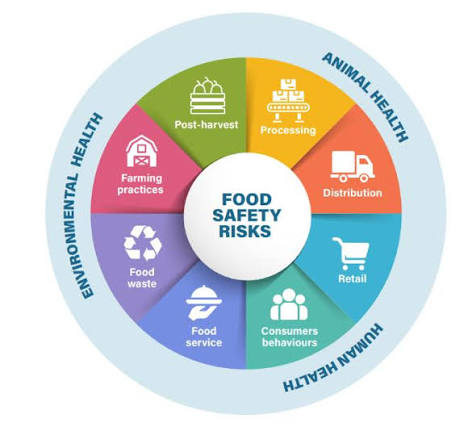
Food safety refers to the handling, preparation, and storage of food in ways that prevent contamination and ensure it is safe for consumption. It involves identifying potential hazards and implementing control measures throughout the food supply chain.
From raw material sourcing to final consumption, every step must be carefully managed to maintain food integrity and hygiene.
Common Food Safety Hazards
Understanding potential hazards is the first step in preventing foodborne illnesses. These hazards are generally categorized into:
- Biological Hazards – Bacteria, viruses, and parasites (e.g., Salmonella, E. coli)
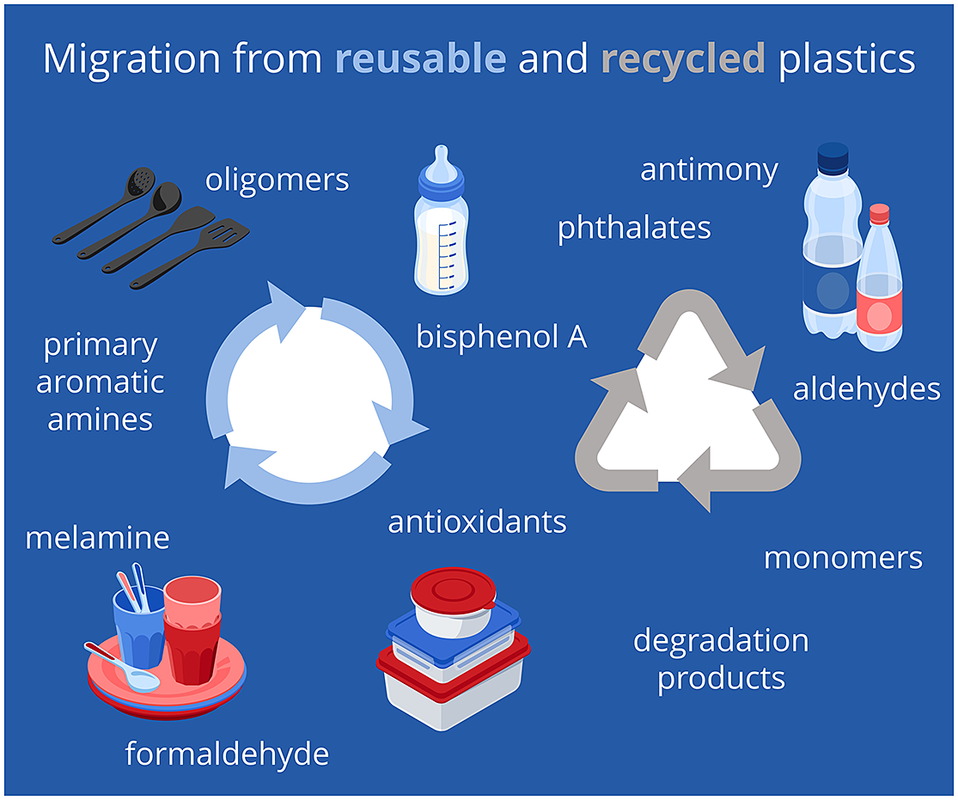
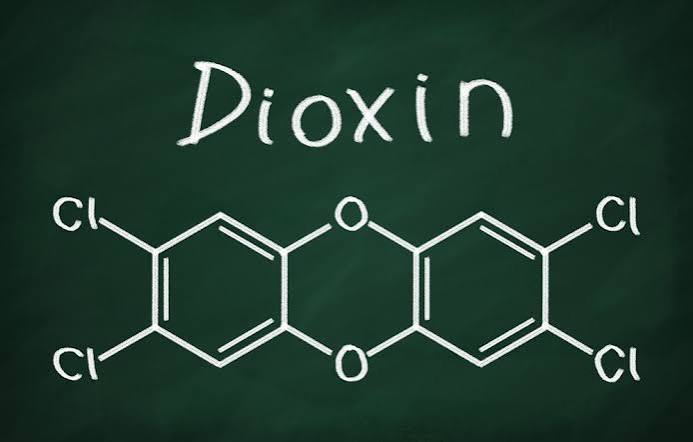
- Chemical Hazards – Pesticides, cleaning agents, and food additives
- Physical Hazards – Foreign objects like glass, metal, or plastic
Effective control of these hazards is essential for maintaining safe food practices.
Key Principles of Food Safety
To ensure food safety, organizations should focus on the following principles:
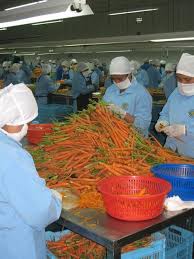
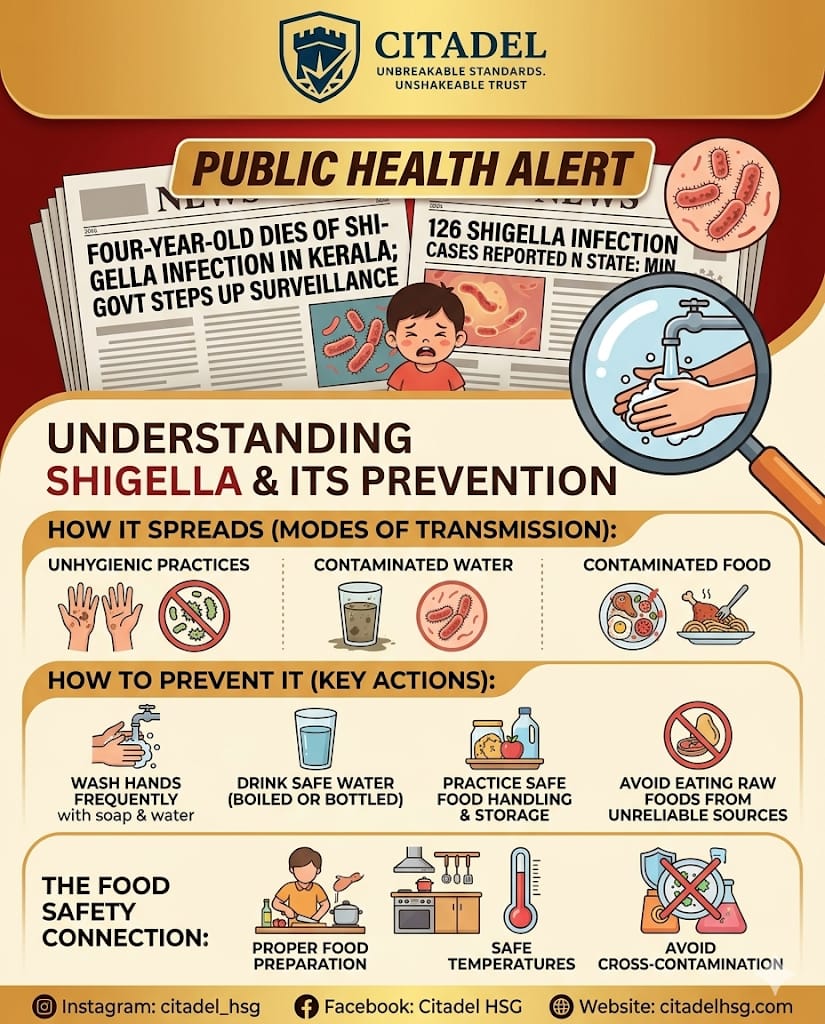
- Personal Hygiene : Food handlers must maintain strict hygiene practices, including regular handwashing and use of protective clothing.
-
Cleanliness & Sanitation : Proper cleaning and sanitization of equipment, surfaces, and utensils prevent contamination.
-
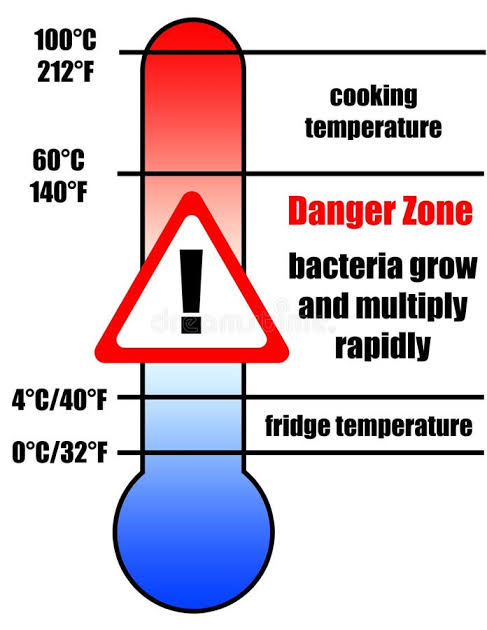
Temperature Control : Maintaining proper cooking, storage, and holding temperatures is crucial to prevent bacterial growth.
-
Cross-Contamination Prevention : Separating raw and cooked foods helps avoid contamination.
-
Safe Storage Practices : Proper labeling, storage conditions, and stock rotation (FIFO) ensure food freshness and safety.
Importance of Food Safety Standards
Implementing internationally recognized standards helps organizations maintain consistency and compliance. Some key frameworks include:
- HACCP (Hazard Analysis and Critical Control Points)
- ISO 22000 – Food Safety Management System
- FSSC 22000 – Advanced Food Safety Certification
- FSSAI Regulations (India)
These systems provide structured methods to identify risks, establish controls, and continuously improve food safety practices.
Benefits of Strong Food Safety Practices
Organizations that prioritize food safety gain significant advantages:
- Protection of consumer health
- Compliance with legal and regulatory requirements
- Improved operational efficiency
- Increased customer confidence and brand reputation
- Reduced risk of product recalls and losses
Food safety is not just a requirement—it is a competitive advantage.
Building a Food Safety Culture
A successful food safety system depends on people. Creating a strong food safety culture involves:
- Leadership commitment to safety and quality
- Continuous training and awareness programs
- Employee accountability and involvement
- Open communication and reporting systems
When food safety becomes part of daily operations, it leads to long-term success.